A fig tree sits above the river. For one week a year, if everything comes off just right, they can be gently sliced and tossed with a wee bit of balsamic vinegar. Pizza dough, on a five-day cold ferment, is sprinkled with fresh thyme, pepper, gorgonzola and mozzarella, and is cooked until almost done then topped with prosciutto, the figs, fresh basil and maybe a smattering of grated parmesan and finished when the figs have heated through.
It’s only slightly less addictive than crack cocaine…..
I don’t know when the affliction began. I think it was the nettle-preserved lemon pizza at Regazza in San Francisco over the winter. The papery crust really hooked me and a seed was planted. My early experiments, while satisfying, were nowhere near my idea of a good pizza. In my mind, the crust would make the pizza – everything else was just a formality. My doughs were overworked and lacked good crumb structure. More research ensued. I started a yeast culture – figuring if I was gonna dive into this world of yeasted breads, I better have a culture on hand. Little did I know, the sourdough culture I was about to develop would add an added layer of complexity to the whole process. I dove into books, internet forums and the occasional pizza slice out was analyzed and critiqued. I soon realized that if I wanted a real crust to develop in my humble home gas oven, I would need a better stone. I landed on a cordierite slab after getting scared off by the sheer weight of a soapstone slab – plus, the soapstone would probably take too long to heat through for my low volume of baking. Next in line was a digital scale. Most recipes and discussions stressed the need for exact weights of ingredients for dough making. Dough was talked about in terms of percent hydration, multi-day fermentations and crumb structure. If I was going to go for it, I had better roll up my sleeves and get kneading. And knead I did until my arms were tired, the floor a mess and dirty bowls piled everywhere. What I really needed was a solid stand mixer. Again, if I was gonna go for it, I needed the right tools, and the best tools. I found a used Hobart N50 on ebay. These things are widely regarded as one of the best stand mixers on the planet – with the design essentially unchanged since they were first introduced way back in the 40s or thereabouts. They can mix concrete, winch a truck out of the mud, and knead a dough to a gluten-y goodness.
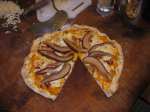
Pumpkin sauce – pear pizza. An early attempt with a lackluster dough and a sauce that got lost between sweet and savory. Ready for improvements this fall.
Starting to get better with my crusts. This one has decent over spring, a good, bubbly outer crust with toasting of some of the bubbles for added flavor. This is a three day ferment in the fridge.
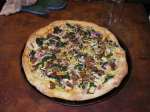
Dough worked a little thinner, probably missed out on some good oven spring with a premature oven, but the local sausage was excellent.
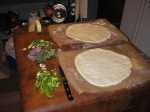
Dough ready to get topped. Some bubbles are popping up along the edge and this one really popped in the oven.
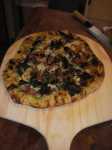
Really happy with this crust. Good color variation, oven spring and crumb.
Another satisfactory result.
Summer utility pizza with roasted tomato sauce.
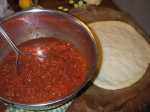
Roasted tomato-garlic sauce ready to land on its new home, and eventually find its way into my belly.
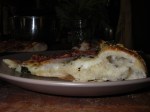
Good crumb on a thicker crust pizza.
Roasted tomato-garlic sauce – the essence of summer
Simple pizzas – no sauce, just a little cheese, garlix, mozz, parm, bell pep and onion.
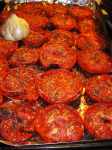
Roasted tomatoes (and a head of garlic) for sauce
Crumb structure on a thinner crust summer utility pizza.
Summer utility pizzas
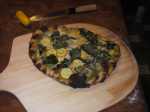
Preparing a couple of summer utility pizzas. Roasted tomato-garlic sauce, red onion, garlic and bell pepper marinated in olive oil and pepper, kale marinated in lemon juice and sea salt, fresh zuchini, basil, moaazarella, provolone and topped with fresh oregano and parmesan after coming out of the oven. You will not find a better pizza in town.
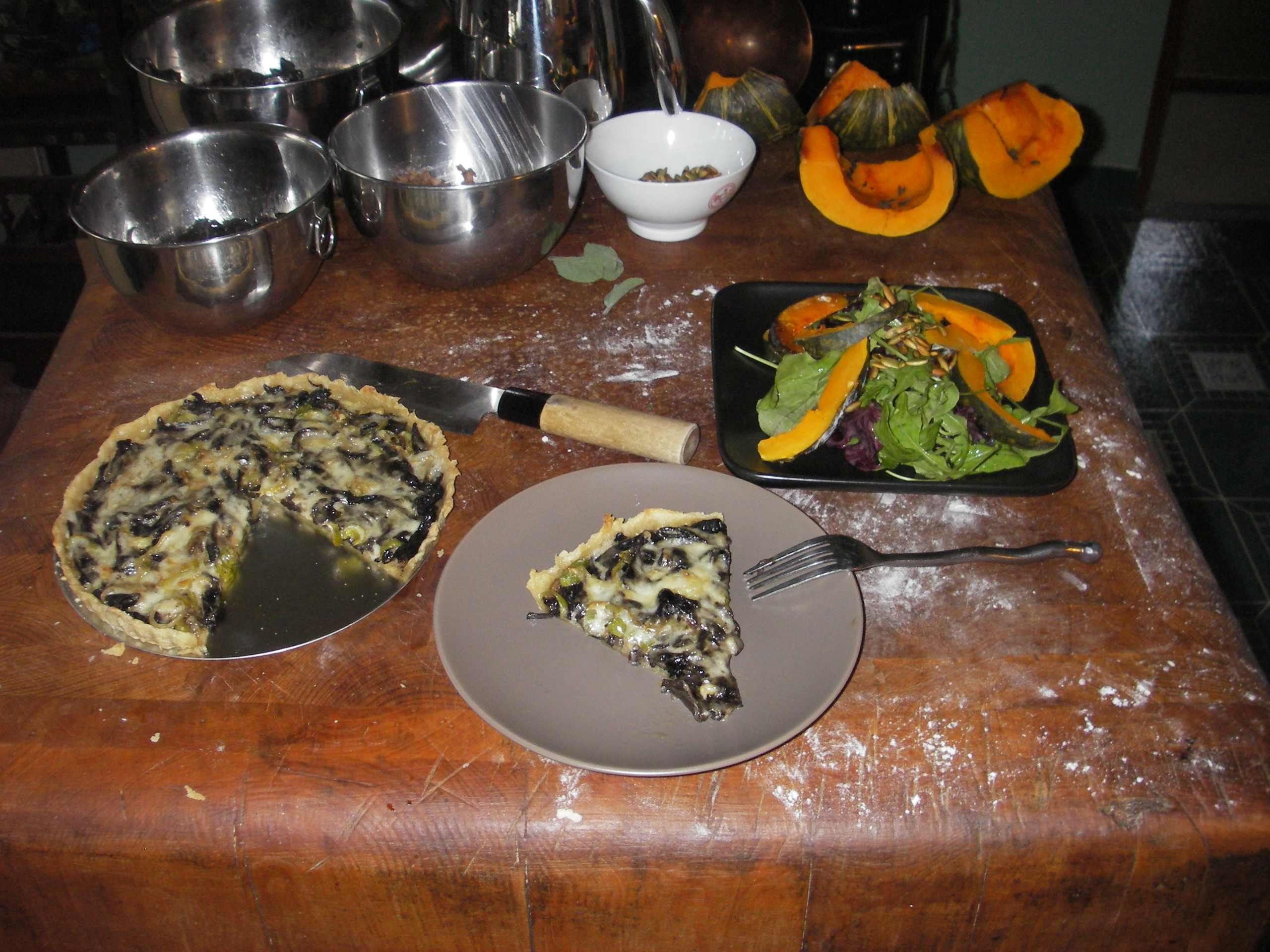
Here on the coast, Spring seems to launch itself in full force one day, hunker down the next all the while building to the next crescendo of a calm, sunny morning. Up in the hills, still soggy and chilly from yesterday’s rain, black trumpet mushrooms are scattered under the tan oaks secretly playing the songs of a passing winter. Craterellus are a bit difficult to spot, but once clued in, they can appear in scattered patches bursting through a forest floor littered with light colored tan oak leaves. Clean them up, saute’ with olive oil, butter, thyme and a wee bit of salt and pepper, add them to caramelized leeks, toss in a little creme fraiche at the end. Layer them with a bit of gruyere in a tart shell and you will be reminded that life remains solidly in the good zone. Serve with a salad of fresh spring arugula, last fall’s kabocha squash and roasted seeds and heaven can be found in every bite.
Velvetine landscapes of spring time
Black trumpet blowing it's song through the woods
A whole band blares out the tunes of spring time, good food and the coming of summer.
Mushroom-leek tart, arugula-kabocha salad and the clutter of a kitchen at work.
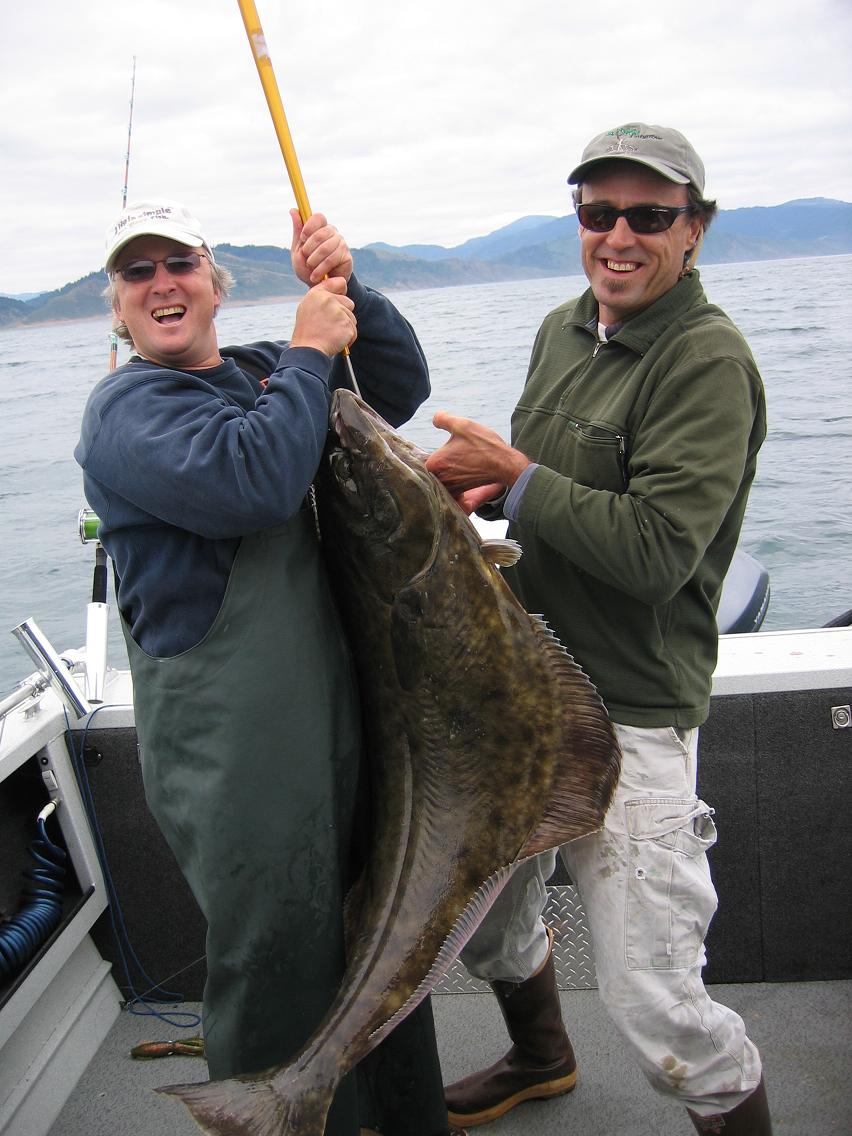
A flat ocean and the boat runs wide open to points south, skipping through little pockets of breeze where river valleys empty mountain air out to sea. We arrive where the flat ocean bottom drops off into a giant submarine canyon that runs nearly ashore. Its abyssal depths are hidden under the gently undulating surface of a windless ocean. The lines drag big bait near the bottom. The clicker ticks off as a fish picks up the bait and swims away with it – there are big fish way down there.
Had to stash away a little for future meals. This time I opted for half whole wheat flour and half unbleached flour. Added a little salt and pepper to the dough and sprinkled in a tad bit of olive oil prior to storage.
Gnocchi dough rolled out for cutting and boiling.
Cut prior to going into hot water.
Couldn't resist... (Northcoast Journal)
The gnocchi lie in wait at the bottom of the pot.
Slowly they come to life and rise.
One by one they show themselves - ready to be scooped up.
Ready!
Surveying the gnocchiscape
Tucking away a few for the freezer. Plastic bag bashers take note - this is the third use of this bag, so give me a break.
Thank you Lara for helping me with my first attempt at making Gnocchi. In short, the gnocchi was the perfect accompaniment to a rainy afternoon here on the west coast of North America.
3 large potatoes
flour (2 parts potato – 1 part flour)
salt
pepper
olive oil
Boil potatoes until soft and cooked through
Peel potatoes while still warm and mash until smooth with a sprinkling of salt and pepper
Collect into a ball and lightly knead (I’m sure this could use some refining)
Cut dough into fist-sized pieces and roll into a 2cm thick rope. Cut into small, bite-sized pieces.
Add to salted boiling water and cook until they float to the top (about 2 minutes).

















 Shaken Rain